
The Code of Conduct: Laying a Cornerstone for Effective Governance
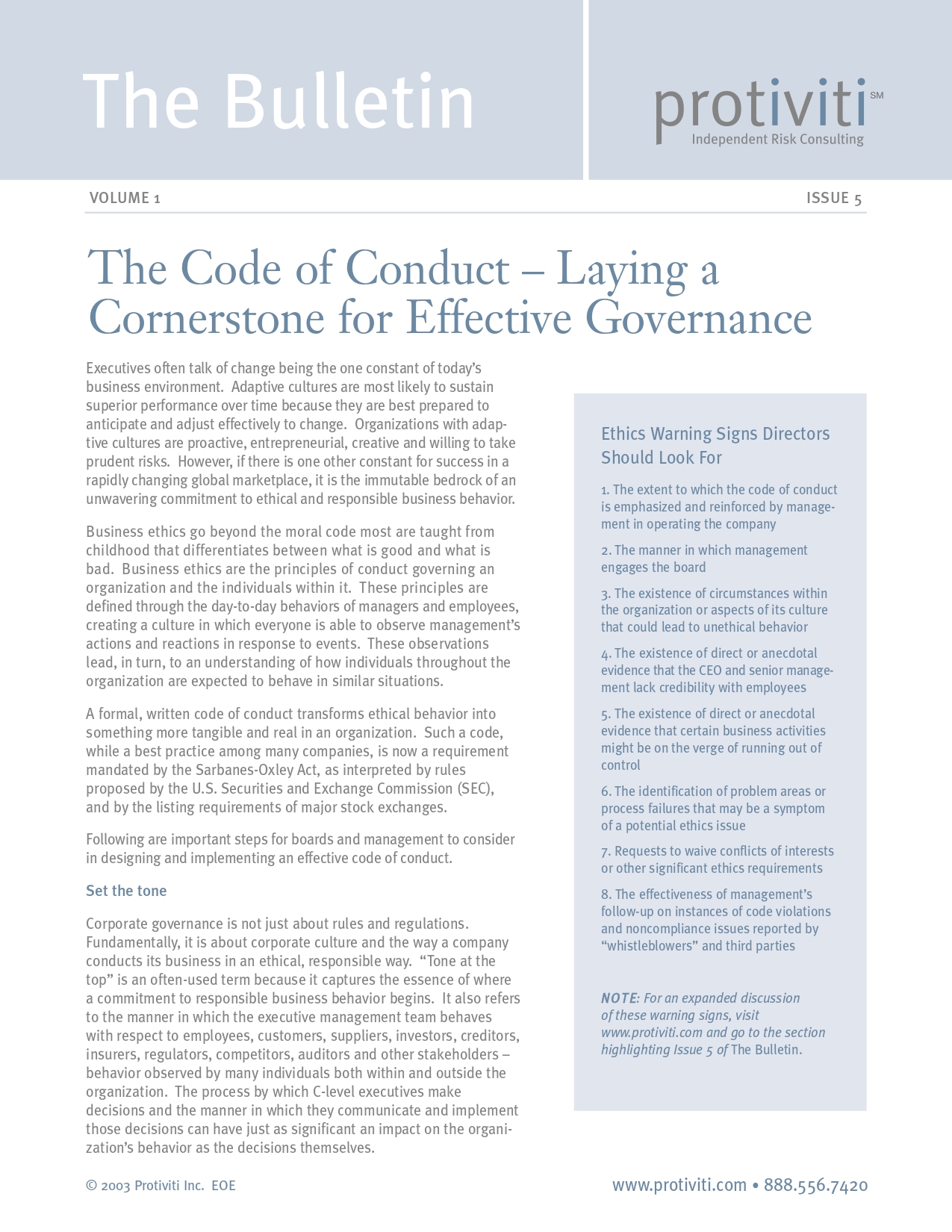
Ethics Warning Signs Directors Should Look For
Establishing ethical standards within organizations is essential. A well-defined code of conduct serves as a foundation for setting clear behavioral expectations while nurturing a culture rooted in integrity and accountability. As companies navigate rapid changes, the risks associated with ethical lapses become increasingly pronounced, potentially leading to severe reputational harm and legal consequences. To thrive and maintain stakeholder trust, organizations must prioritize ethical behavior as a core value that underpins their operations.
To foster an ethical workplace culture, practical strategies are vital. Regular training sessions on the code of conduct help ensure that all employees understand their responsibilities and the importance of ethical practices. Implementing transparent reporting mechanisms for ethical violations empowers employees to voice concerns without fear of retaliation. Leadership plays a critical role in this equation; when executives model ethical behavior, it sets a powerful precedent throughout the organization. Integrating ethical considerations into daily business activities cultivates a sustainable and responsible culture that enhances reputation, attracts top talent and drives long-term success.
Key Takeaways:
- A robust code of conduct clearly defines expectations for ethical behavior.
- Upholding ethical standards is crucial for maintaining trust in a shifting business environment.
- Ongoing training and open communication reinforce the commitment to ethics.
- Leadership's dedication to ethical practices shapes the organizational culture.